




Every time a standard card charges you 3% to buy a coffee in another currency, that is money walking out the door.
Over a year of living and spending abroad, those quiet foreign-transaction fees can quietly cost a working digital nomad several hundred dollars.
So the right credit card is not a luxury; it is one of the simplest, most reliable ways to stop leaking money while you live and work from anywhere in the world.
The best credit cards for digital nomads kill that fee entirely, then pay you back in rewards and travel protection on top.
That said, most “best travel card” lists gloss over the awkward parts: nearly all the top picks are US-issued, and their flashiest perks are often useless once you live overseas.
So below, every card is judged on what actually matters on the road, and I will be honest about who can realistically get one, and what to use if you are not American.
Quick answer: the best credit cards for digital nomads
Best overall: Capital One Venture X — no foreign fees, lounge access, and a travel credit that offsets the annual fee.
Best mid-tier: Capital One Venture Rewards — simple 2x miles, no foreign fees, modest fee.
Best for travel rewards: Chase Sapphire Preferred — strong categories plus solid travel insurance.
Best no annual fee: Bank of America Travel Rewards — free, with no foreign fees.
Not US-based? Pair a multi-currency account like Wise or Revolut with a local card.
What to look for in a credit card for digital nomads
Before the picks, here is the lens. A nomad’s needs differ from a holidaymaker’s, so we weighted these in order.
- No foreign transaction fees. First and non-negotiable: standard cards charge 1–3% on every foreign purchase, which is pure waste.
- Travel insurance. Next, trip-delay and medical cover turn a stranded night into a claim rather than a crisis.
- Globally useful rewards. Then, points you can actually redeem from anywhere beat credits tied to one country.
- Lounge and airport perks. After that, lounge access and fee credits earn their keep if you fly often.
- Realistic eligibility. Finally, the best card is one you can actually be approved for from where you live.
Notably, that last point matters more than the glossy lists admit, since most premium cards below require US residency and credit history.
The 7 best credit cards for digital nomads
1. Capital One Venture X — best overall
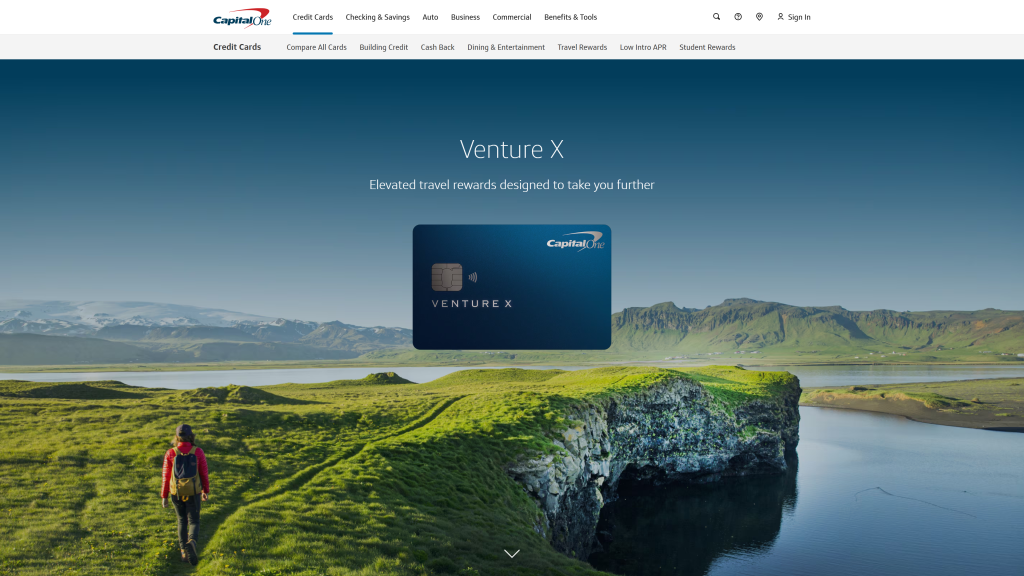
To start, the Venture X is the card most well-travelled nomads land on. It charges no foreign transaction fees, earns 2x miles on everything, and adds lounge access through Priority Pass and Capital One’s own lounges.
Crucially, its roughly $395 annual fee is largely offset by a $300 annual travel credit and 10,000 bonus miles each year, so the real cost is small.
Best for: nomads who fly often and want premium perks.
FX fee: none.
- Pros: no foreign fees; flat 2x miles; lounges; travel credit offsets the fee; travel insurance.
- Cons: US residency required; the fee stings if you rarely fly.
2. Capital One Venture Rewards — best mid-tier
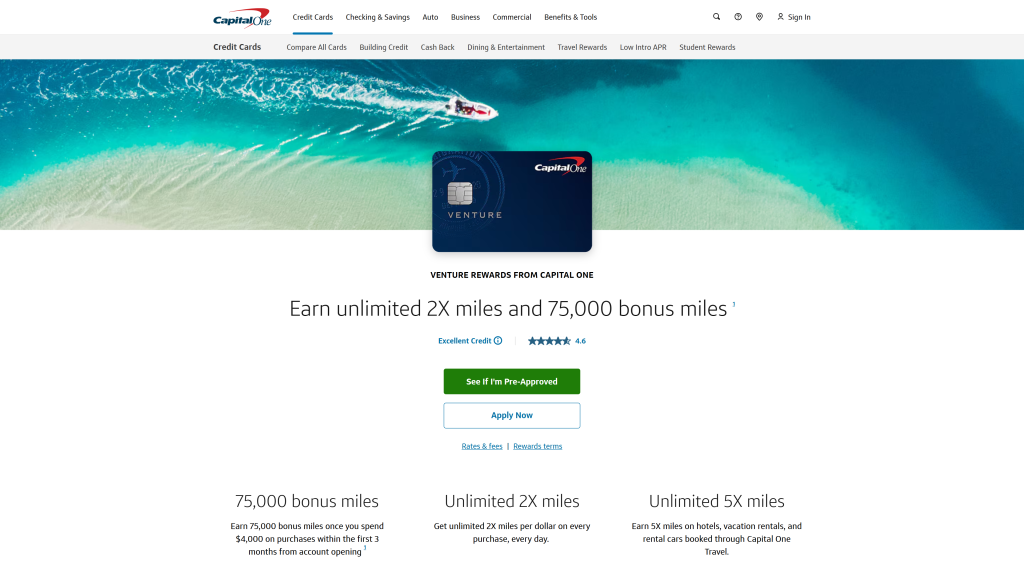
If the Venture X is more card than you need, then its smaller sibling keeps the essentials.
You still get no foreign transaction fees and a simple 2x miles on every purchase, but for a lighter, roughly $95 annual fee.
As a result, it is the easy “set and forget” choice for steady spenders.
Best for: nomads who want simplicity over perks.
FX fee: none.
- Pros: no foreign fees; flat 2x miles; low fee; Global Entry credit.
- Cons: US-only; no lounge access.
3. Chase Sapphire Preferred — best for travel rewards
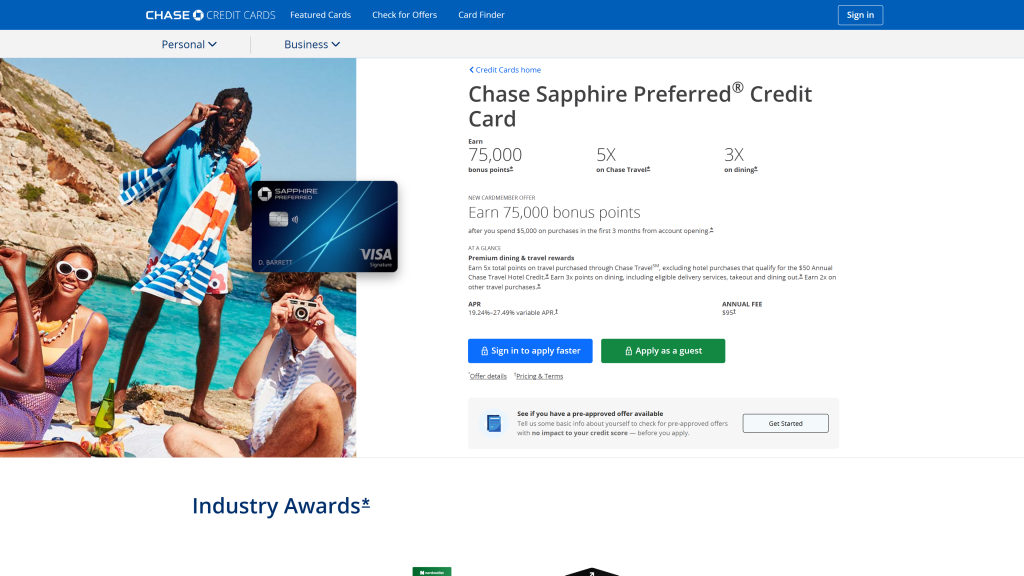
Meanwhile, the Sapphire Preferred is a long-time favourite for good reason.
Beyond no foreign transaction fees, it earns strong points on travel, dining, and streaming, and it bundles genuinely useful trip-delay and cancellation insurance.
Moreover, its points transfer to airline and hotel partners, which stretches their value.
Best for: nomads who want flexible rewards and insurance.
FX fee: none.
- Pros: no foreign fees; rich rewards categories; transferable points; solid travel insurance.
- Cons: US-only; $95 fee; some perks favour US bookings.
4. Chase Sapphire Reserve — best premium protection
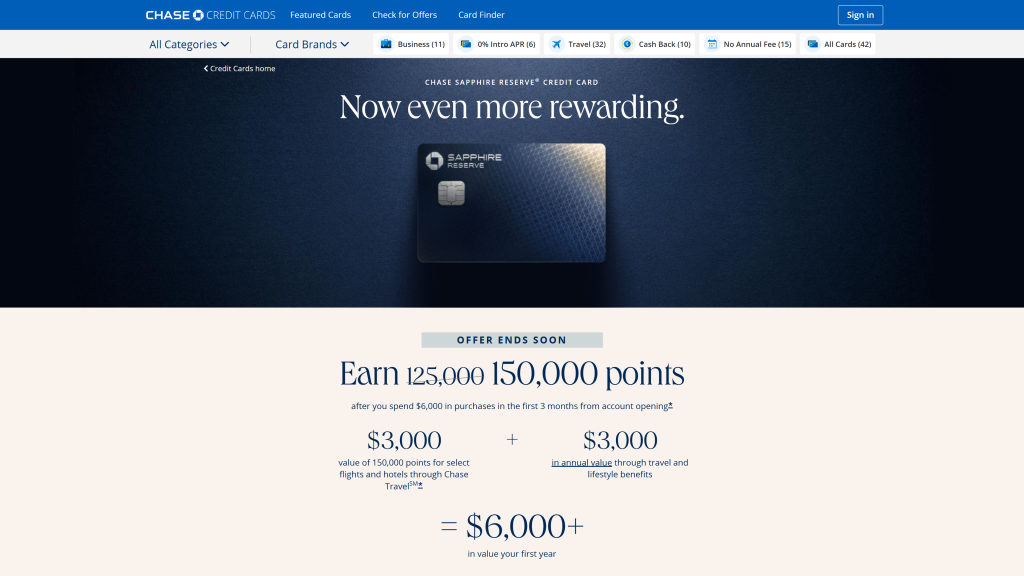
When something goes wrong abroad, the Reserve earns its keep.
It pairs no foreign transaction fees with premium travel insurance and lounge access, and frequent travellers swear by its delayed-trip cover.
However, its annual fee is high and rose again recently, so confirm the current figure before committing.
Best for: heavy travellers who value insurance and lounges.
FX fee: none.
- Pros: no foreign fees; excellent travel insurance; strong lounge access.
- Cons: US-only; steep, recently increased fee; several credits skew US-centric.
5. American Express Platinum — best for lounges and luxury
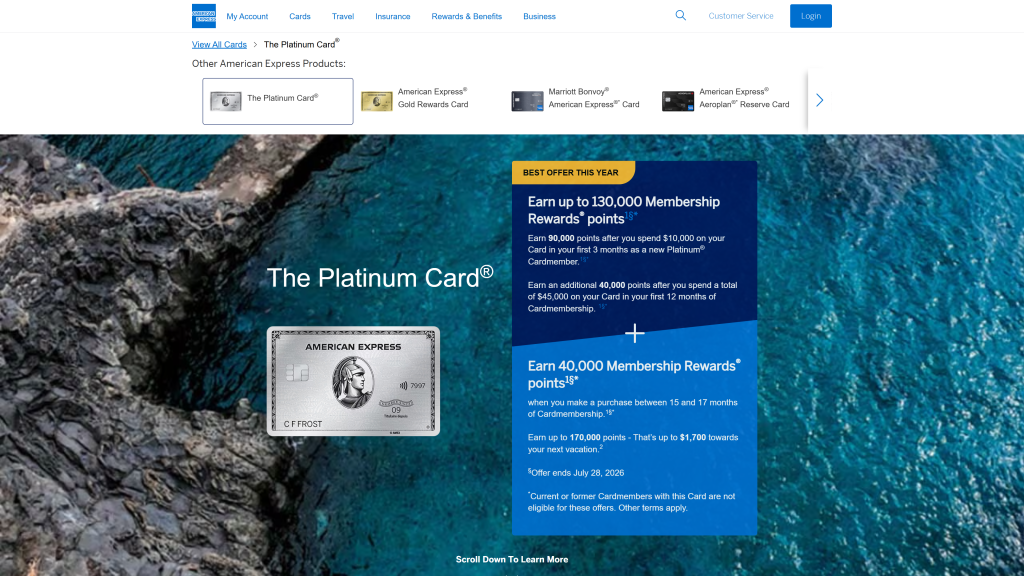
By contrast, the Amex Platinum is the lounge lover’s card. It offers no foreign transaction fees, the widest lounge network including Centurion Lounges, and generous airline and hotel credits.
Still, those credits often assume US travel, so an always-abroad nomad may not extract full value from the high annual fee.
Best for: frequent flyers who live in airports.
FX fee: none.
- Pros: no foreign fees; unmatched lounge access; premium perks.
- Cons: US-only; very high fee; credits are US-leaning.
6. Bank of America Travel Rewards — best no annual fee
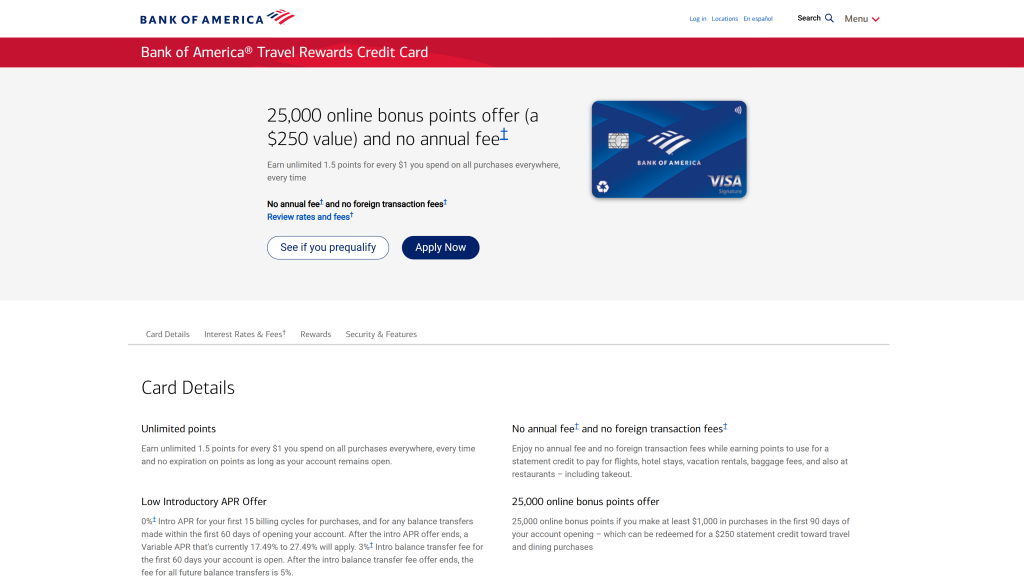
Still, not everyone wants to pay for the privilege, and this card respects that. It carries no annual fee and no foreign transaction fees, while still earning flat travel rewards on everything.
Consequently, it is the sensible pick for nomads who spend modestly but still want to dodge foreign fees.
Best for: budget-conscious nomads.
FX fee: none.
- Pros: no annual fee; no foreign fees; simple rewards.
- Cons: US-only; modest rewards; no lounge or insurance perks.
7. Capital One SavorOne — best for everyday spending
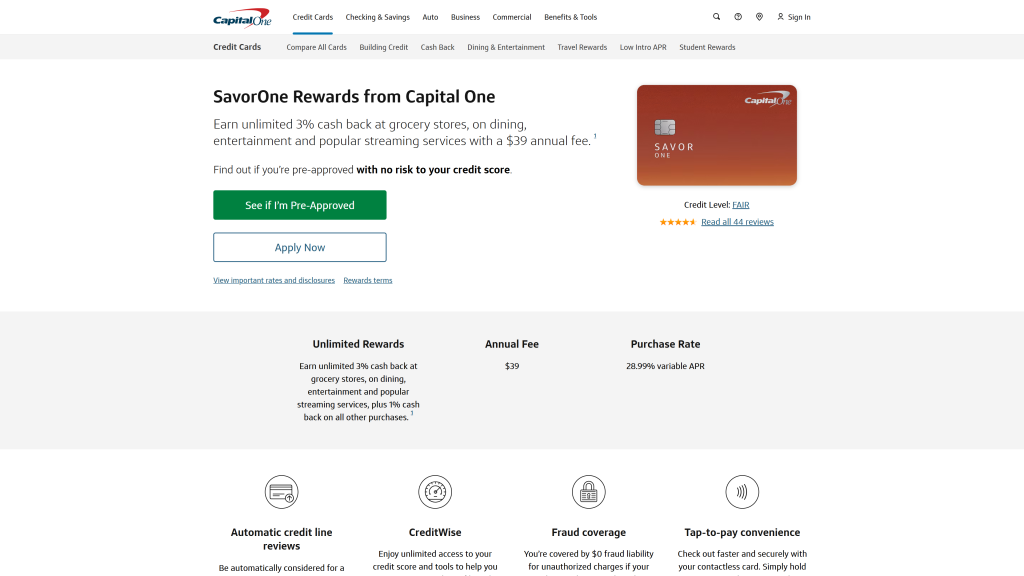
Finally, for the day-to-day, the SavorOne is a quiet winner.
It has no annual fee, no foreign transaction fees, and earns elevated cash back on dining, entertainment, streaming, and groceries, exactly where a nomad spends.
In short, it is a strong free companion card to a travel-focused primary.
Best for: dining and everyday spending abroad.
FX fee: none.
- Pros: no annual fee; no foreign fees; strong dining and grocery rewards.
- Cons: US-only; cash back is less flexible than transferable points.
Comparison: the best credit cards for digital nomads at a glance
| Card | Annual fee | Foreign fee | Best for |
|---|---|---|---|
| Capital One Venture X | ~$395 (offset by credit) | None | Overall / frequent flyers |
| Capital One Venture | ~$95 | None | Simple mid-tier |
| Chase Sapphire Preferred | ~$95 | None | Rewards + insurance |
| Chase Sapphire Reserve | Premium (raised recently) | None | Premium protection |
| Amex Platinum | High | None | Lounges & luxury |
| BofA Travel Rewards | $0 | None | No-fee option |
| Capital One SavorOne | $0 | None | Everyday spend |
Fees and rewards are approximate for 2026 and change often — see the data note at the foot.
What if you’re not based in the US?
Importantly, here is the catch the affiliate lists bury: nearly every card above requires US residency and a US credit history.
So if you are a nomad from the UK, EU, or elsewhere, most of them are simply off the table. Fortunately, you have strong alternatives.
For a start, multi-currency accounts like Wise and Revolut issue cards that work brilliantly abroad, convert at close to the real exchange rate, and rarely charge foreign fees.
Beyond that, many countries have their own no-foreign-fee travel cards, for example, Barclaycard and Halifax Clarity options in the UK, or local Amex variants across Europe.
Therefore, the principle behind the best credit card for digital nomads stays the same wherever you bank: hunt for zero foreign transaction fees first, then rewards second.
Do digital nomads even need a credit card?
Honestly, you need at least one, even in cash-heavy countries. In truth, a good credit card for digital nomads pays for itself within months of living abroad, through saved fees alone.
A credit card gives you fraud protection, emergency spending power, and travel insurance that a debit card or cash never will. That said, a card alone is not a complete money setup.
For the best results, pair it with a multi-currency account. In practice, you spend on the credit card to earn rewards and protection, then lean on Wise or Revolut for cheap ATM withdrawals, currency conversion, and getting paid across borders.
Together, the two cover everything a roaming dev’s finances throw at them. We go deeper into our banking guide for digital nomads.
How to use a credit card abroad without losing money
Even the best credit card for digital nomads can cost you if you use it wrong, so build these habits early.
- Always pay in local currency. First, decline the “pay in your home currency” option at the till, since that dynamic conversion is a hidden markup.
- Set a travel notice or app alert. Next, tell your issuer where you are, so a foreign purchase is not frozen as fraud.
- Carry a backup card. Then, keep a second card separate from the first, in case one is lost or blocked.
- Pay the balance in full. Finally, clear it monthly, because interest charges dwarf any rewards you earn.
Frequently asked questions
Overall, for US-based nomads, the Capital One Venture X is the strongest all-rounder, with no foreign transaction fees, lounge access, and a travel credit that offsets its fee.
Non-US nomads are usually better served by Wise or Revolut paired with a local card.
Indeed, all seven cards here charge no foreign transaction fees, including the Capital One Venture range, both Chase Sapphire cards, the Amex Platinum, and the no-fee Bank of America Travel Rewards and Capital One SavorOne.
Yes, at least one. A credit card provides fraud protection, emergency funds, and travel insurance that cash and debit cannot. Most nomads pair it with a multi-currency account for ATM access and currency conversion.
Generally, the Bank of America Travel Rewards and Capital One SavorOne both charge no annual fee and no foreign transaction fees, making them strong free options for nomads who spend modestly.
Usually not, since most require US residency and credit history. If you live elsewhere, look to Wise, Revolut, or a local no-foreign-fee travel card instead.
Honestly, use both. The credit card earns rewards and offers protection, while Wise or Revolut handles cheap currency conversion, ATM withdrawals, and cross-border payments.
The bottom line
So, what are the best credit cards for digital nomads? For Americans, the Capital One Venture X leads, with the Sapphire Preferred close behind for rewards and the no-fee SavorOne as a perfect partner.
For everyone else, a multi-currency account does most of the heavy lifting. Whichever you choose, the rule never changes: zero foreign transaction fees first, rewards second.
After that, let your travel style and home country decide the rest, and pair the card with a multi-currency account to cover the gaps.
Next, build the rest of your money setup: read our banking guide for nomads, sort your digital nomad visa, and pick the right city to base in.
Also Read:
A note on the data. Annual fees, rewards rates, and perks were compiled in June 2026 from issuer terms and current reviews; several premium fees rose in 2025, and card terms change frequently. Always confirm current details and eligibility on the issuer’s official site before applying. This article is general information, not financial advice, and we are not a financial adviser.
